Buy dekan.eu ?
We are moving the project
dekan.eu .
Are you interested in purchasing the domain
dekan.eu ?
domain@kv-gmbh.de · 0541-91531010
Buy dekan.eu ?
Are pain from taping normal?
Pain from taping is not normal and can be a sign that the tape is too tight or causing irritation to the skin. Taping should be comfortable and should not cause any pain or discomfort. If you experience pain from taping, it is important to remove the tape and seek advice from a healthcare professional to ensure proper application and to address any underlying issues. **
Are pain caused by taping normal?
Pain caused by taping is not considered normal and should be addressed. Pain could be a sign that the tape is applied too tightly, causing restriction of blood flow or nerve compression. It is important to adjust the tape or seek guidance from a healthcare professional to ensure proper application and prevent further discomfort or injury. **


Similar search terms for Taping
Top-Angebote
Products related to Taping:
-
A Practical Guide to Kinesiology Taping by John Gibbons - Non Fiction - PaperbackTitle:. A Practical Guide to Kinesiology Taping Condition: BRAND NEW. Format: Paperback. ISBN: Overview:. Master the art and science of kinesiology taping with a practical, field-tested manual by John Gibbons. A Practical Guide to Kinesiology Taping demystifies a technique used by therapists, coaches, and athletes worldwide. This hands-on guide highlights more than 50 specific areas of pain through original body-drawn illustrations, turning complex anatomy into accessible, repeatable care. The book leads you through a complete workflow: identify dysfunction, assess candidacy for taping, prepare the skin, choose tape variants, and apply patterns with clear, step-by-step instructions. Whether you’re treating a shoulder impingement after a throw, a knee strain in a runner, or cervical spine discomfort from desk work, you’ll find practical methods you can implement the same day. The tone is approachable and pragmatic, crafted for busy clinicians, athletic trainers, mindfulness-minded athletes, and coaches who want to understand not just how to tape, but why certain configurations help. The vivid pain maps also become powerful teaching tools to explain treatment choices to patients and athletes, supporting consent and adherence. This book is a must-have for clinics, sports teams, gyms, and educational programs that value immediate, functional results. What Makes This Book Stand Out:. What sets this guide apart is its visually driven, tactile approach to learning. The more than 50 body-mapped pain areas come to life as drawings directly sketched onto the body, making anatomy memorable and approachable. It isn’t just a recipe book of techniques; it’s a complete, repeatable workflow—from pinpointing dysfunction and skin preparation to selecting tape variants and executing precise applications. Readers gain clear rationales for when to use specific taping patterns and learn practical variations tailored to common problems. This emphasis on actionable steps means you can move from theory to treatment in minutes, whether you’re in a busy clinic, a university training room, or on the sidelines of a game. By combining visuals with structured guidance, the book reduces guesswork for seasoned practitioners and serves as an invaluable refresher for students and new therapists alike. Who This Book Is Perfect For:. This guide is ideal for physical therapists, athletic trainers, and sports therapists seeking a practical, visual reference for kinesiology taping. It’s equally valuable for physiotherapy students, chiropractors, massage therapists, and GP practices integrating rehabilitation strategies. Coaches, strength and conditioning professionals, and enthusiastic athletes who tape themselves or teammates will appreciate the clear, actionable guidance. Whether you’re in a fast-paced clinic, a university sports program, or a community gym, this book helps translate biomechanics into confident, repeatable treatment decisions you can apply right away. Key...99,99 £*Shipping: 0,00 £Secure redirect to the provider
-
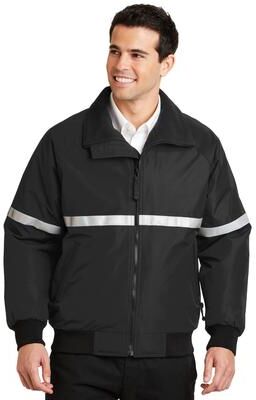
Port Authority J754R Challenger Jacket with Reflective Taping in True Black/True Black/Reflective size 6XL PolyesterChallenger™ Jacket with Reflective Taping - TRUE BLACK / TRUE BLACK / REFLECTIVE - 6XL Port Authority J754R Challenger Jacket with Reflective Taping in True Black/True Black/Reflective size 6XL Polyester68,42 $*Shipping: 14,40 $Secure redirect to the provider
-
Port Authority J754R Challenger Jacket with Reflective Taping in True Black/True Black/Reflective size 2XL PolyesterChallenger™ Jacket with Reflective Taping - TRUE BLACK / TRUE BLACK / REFLECTIVE - 2XL Port Authority J754R Challenger Jacket with Reflective Taping in True Black/True Black/Reflective size 2XL Polyester58,82 $*Shipping: 14,40 $Secure redirect to the provider


-
How can one try chest taping?
To try chest taping, you will need medical tape or specialized chest tape designed for this purpose. Start by cleaning and drying your chest area to ensure the tape adheres properly. Then, apply the tape in a horizontal or diagonal pattern across your chest, making sure it is snug but not too tight to restrict breathing or movement. It's important to be cautious and gentle when removing the tape to avoid skin irritation or damage. It's advisable to consult with a healthcare professional before trying chest taping to ensure it is done safely and effectively. **
-
How is taping done for X-legs?
Taping for X-legs involves applying adhesive tape in a specific pattern to help correct the alignment of the knees. The tape is typically applied from the outside of the knee, across the front of the knee, and towards the inside of the leg to provide support and encourage proper alignment. This taping technique can help reduce stress on the knee joint and improve overall leg alignment during activities. It is important to consult with a healthcare professional or physical therapist for proper taping instructions and guidance. **
-
How is taping done for bow legs?
Taping for bow legs involves applying adhesive tape to the inside of the legs in a way that encourages the knees to come closer together and the legs to straighten. The tape is typically applied in a crisscross pattern from the inner thigh down to the ankle. This taping technique helps to provide support and alignment to the legs, promoting better posture and reducing strain on the knees. It is important to consult with a healthcare professional or physical therapist to ensure proper taping technique and to address any underlying issues causing the bow legs. **
-
How can Kinesio Taping help with calf pain?
Kinesio Taping can help with calf pain by providing support and stability to the muscles and tendons in the calf. The tape can help reduce strain on the muscles, improve circulation, and alleviate pain by providing a gentle lifting effect on the skin, which can reduce pressure on the affected area. Additionally, Kinesio Taping can help improve proprioception and muscle activation, which can aid in the rehabilitation process and prevent further injury. **

How can the risk of fire be reduced by taping up the fan?
Taping up the fan can reduce the risk of fire by preventing dust and debris from accumulating on the fan blades and motor. This reduces the likelihood of a spark igniting the accumulated dust, which can lead to a fire. Additionally, taping up the fan can also prevent any loose or frayed wires from coming into contact with the fan blades, reducing the risk of an electrical fire. Regularly cleaning and maintaining the fan can also help reduce the risk of fire. **
'Administration or Education?'
Choosing between administration and education depends on your interests and career goals. If you enjoy working behind the scenes to support the overall functioning of an educational institution, then administration may be the right path for you. On the other hand, if you are passionate about teaching, mentoring, and shaping the minds of students, then a career in education may be more fulfilling. Ultimately, it is important to consider your strengths, interests, and long-term career objectives when deciding between administration and education. **
Top-Angebote
Products related to Taping:
-
All Categories Goods Adjustable Aluminum Alloy Drywall Stilts For Painting & Taping Adjustable Aluminum Alloy Drywall Stilts For Painting & TapingTransform your ceiling painting and taping tasks with the Adjustable Aluminum Alloy Drywall Stilts. Designed for professionals and DIY enthusiasts, these stilts provide unmatched stability and comfort while working at height. With a simple...319,97 $*Shipping: 0,00 $Secure redirect to the provider
-
Multicon Wholesale Hub Extendable Drywall Flat Box Handle With Ergonomic Grip For Taping & Finishing Extendable Drywall Flat Box Handle With Ergonomic Grip For Taping & FinishingTransform your drywall finishing tasks with the Drywall Flat Box Handle. Designed for both professionals and DIY enthusiasts, this extendable handle offers unparalleled flexibility and control. Whether you're working on large walls or tight corners,...199,97 $*Shipping: 0,00 $Secure redirect to the provider
-
A Practical Guide to Kinesiology Taping by John Gibbons - Non Fiction - PaperbackTitle:. A Practical Guide to Kinesiology Taping Condition: BRAND NEW. Format: Paperback. ISBN: Overview:. Master the art and science of kinesiology taping with a practical, field-tested manual by John Gibbons. A Practical Guide to Kinesiology Taping demystifies a technique used by therapists, coaches, and athletes worldwide. This hands-on guide highlights more than 50 specific areas of pain through original body-drawn illustrations, turning complex anatomy into accessible, repeatable care. The book leads you through a complete workflow: identify dysfunction, assess candidacy for taping, prepare the skin, choose tape variants, and apply patterns with clear, step-by-step instructions. Whether you’re treating a shoulder impingement after a throw, a knee strain in a runner, or cervical spine discomfort from desk work, you’ll find practical methods you can implement the same day. The tone is approachable and pragmatic, crafted for busy clinicians, athletic trainers, mindfulness-minded athletes, and coaches who want to understand not just how to tape, but why certain configurations help. The vivid pain maps also become powerful teaching tools to explain treatment choices to patients and athletes, supporting consent and adherence. This book is a must-have for clinics, sports teams, gyms, and educational programs that value immediate, functional results. What Makes This Book Stand Out:. What sets this guide apart is its visually driven, tactile approach to learning. The more than 50 body-mapped pain areas come to life as drawings directly sketched onto the body, making anatomy memorable and approachable. It isn’t just a recipe book of techniques; it’s a complete, repeatable workflow—from pinpointing dysfunction and skin preparation to selecting tape variants and executing precise applications. Readers gain clear rationales for when to use specific taping patterns and learn practical variations tailored to common problems. This emphasis on actionable steps means you can move from theory to treatment in minutes, whether you’re in a busy clinic, a university training room, or on the sidelines of a game. By combining visuals with structured guidance, the book reduces guesswork for seasoned practitioners and serves as an invaluable refresher for students and new therapists alike. Who This Book Is Perfect For:. This guide is ideal for physical therapists, athletic trainers, and sports therapists seeking a practical, visual reference for kinesiology taping. It’s equally valuable for physiotherapy students, chiropractors, massage therapists, and GP practices integrating rehabilitation strategies. Coaches, strength and conditioning professionals, and enthusiastic athletes who tape themselves or teammates will appreciate the clear, actionable guidance. Whether you’re in a fast-paced clinic, a university sports program, or a community gym, this book helps translate biomechanics into confident, repeatable treatment decisions you can apply right away. Key...99,99 £*Shipping: 0,00 £Secure redirect to the provider
-
Are pain from taping normal?
Pain from taping is not normal and can be a sign that the tape is too tight or causing irritation to the skin. Taping should be comfortable and should not cause any pain or discomfort. If you experience pain from taping, it is important to remove the tape and seek advice from a healthcare professional to ensure proper application and to address any underlying issues. **
-
Are pain caused by taping normal?
Pain caused by taping is not considered normal and should be addressed. Pain could be a sign that the tape is applied too tightly, causing restriction of blood flow or nerve compression. It is important to adjust the tape or seek guidance from a healthcare professional to ensure proper application and prevent further discomfort or injury. **
-
How can one try chest taping?
To try chest taping, you will need medical tape or specialized chest tape designed for this purpose. Start by cleaning and drying your chest area to ensure the tape adheres properly. Then, apply the tape in a horizontal or diagonal pattern across your chest, making sure it is snug but not too tight to restrict breathing or movement. It's important to be cautious and gentle when removing the tape to avoid skin irritation or damage. It's advisable to consult with a healthcare professional before trying chest taping to ensure it is done safely and effectively. **
-
How is taping done for X-legs?
Taping for X-legs involves applying adhesive tape in a specific pattern to help correct the alignment of the knees. The tape is typically applied from the outside of the knee, across the front of the knee, and towards the inside of the leg to provide support and encourage proper alignment. This taping technique can help reduce stress on the knee joint and improve overall leg alignment during activities. It is important to consult with a healthcare professional or physical therapist for proper taping instructions and guidance. **
Similar search terms for Taping
-
Port Authority J754R Challenger Jacket with Reflective Taping in True Black/True Black/Reflective size 6XL PolyesterChallenger™ Jacket with Reflective Taping - TRUE BLACK / TRUE BLACK / REFLECTIVE - 6XL Port Authority J754R Challenger Jacket with Reflective Taping in True Black/True Black/Reflective size 6XL Polyester68,42 $*Shipping: 14,40 $Secure redirect to the provider
-
Port Authority J754R Challenger Jacket with Reflective Taping in True Black/True Black/Reflective size 2XL PolyesterChallenger™ Jacket with Reflective Taping - TRUE BLACK / TRUE BLACK / REFLECTIVE - 2XL Port Authority J754R Challenger Jacket with Reflective Taping in True Black/True Black/Reflective size 2XL Polyester58,82 $*Shipping: 14,40 $Secure redirect to the provider
-
Port Authority J754R Challenger Jacket with Reflective Taping in True Black/True Black/Reflective size 3XL PolyesterChallenger™ Jacket with Reflective Taping - TRUE BLACK / TRUE BLACK / REFLECTIVE - 3XL Port Authority J754R Challenger Jacket with Reflective Taping in True Black/True Black/Reflective size 3XL Polyester62,02 $*Shipping: 14,40 $Secure redirect to the provider
-
Port Authority J754R Challenger Jacket with Reflective Taping in True Black/True Black/Reflective size Small PolyesterChallenger™ Jacket with Reflective Taping - TRUE BLACK / TRUE BLACK / REFLECTIVE - S Port Authority J754R Challenger Jacket with Reflective Taping in True Black/True Black/Reflective size Small Polyester57,22 $*Shipping: 14,40 $Secure redirect to the provider
-
How is taping done for bow legs?
Taping for bow legs involves applying adhesive tape to the inside of the legs in a way that encourages the knees to come closer together and the legs to straighten. The tape is typically applied in a crisscross pattern from the inner thigh down to the ankle. This taping technique helps to provide support and alignment to the legs, promoting better posture and reducing strain on the knees. It is important to consult with a healthcare professional or physical therapist to ensure proper taping technique and to address any underlying issues causing the bow legs. **
-
How can Kinesio Taping help with calf pain?
Kinesio Taping can help with calf pain by providing support and stability to the muscles and tendons in the calf. The tape can help reduce strain on the muscles, improve circulation, and alleviate pain by providing a gentle lifting effect on the skin, which can reduce pressure on the affected area. Additionally, Kinesio Taping can help improve proprioception and muscle activation, which can aid in the rehabilitation process and prevent further injury. **
-
How can the risk of fire be reduced by taping up the fan?
Taping up the fan can reduce the risk of fire by preventing dust and debris from accumulating on the fan blades and motor. This reduces the likelihood of a spark igniting the accumulated dust, which can lead to a fire. Additionally, taping up the fan can also prevent any loose or frayed wires from coming into contact with the fan blades, reducing the risk of an electrical fire. Regularly cleaning and maintaining the fan can also help reduce the risk of fire. **
-
'Administration or Education?'
Choosing between administration and education depends on your interests and career goals. If you enjoy working behind the scenes to support the overall functioning of an educational institution, then administration may be the right path for you. On the other hand, if you are passionate about teaching, mentoring, and shaping the minds of students, then a career in education may be more fulfilling. Ultimately, it is important to consider your strengths, interests, and long-term career objectives when deciding between administration and education. **
* All prices are inclusive of VAT and, if applicable, plus shipping costs. The offer information is based on the details provided by the respective shop and is updated through automated processes. Real-time updates do not occur, so deviations can occur in individual cases. ** Note: Parts of this content were created by AI.