Buy dekan.eu ?
We are moving the project
dekan.eu .
Are you interested in purchasing the domain
dekan.eu ?
domain@kv-gmbh.de · 0541-91531010
Buy dekan.eu ?
Why does sexual reproduction have an advantage over asexual reproduction?
Sexual reproduction has an advantage over asexual reproduction because it promotes genetic diversity. Through the process of meiosis and fertilization, offspring inherit a unique combination of genes from both parents, increasing genetic variation within a population. This diversity enhances the ability of a species to adapt to changing environments and reduces the risk of genetic diseases. Additionally, sexual reproduction allows for the elimination of harmful mutations through genetic recombination, leading to healthier and more robust offspring. **
What is beech reproduction?
Beech reproduction refers to the process by which beech trees produce offspring. Beech trees reproduce through seeds that are contained within small, prickly husks known as beechnuts. These seeds are dispersed by animals or the wind, and when conditions are favorable, they germinate and grow into new beech trees. Beech trees can also reproduce through root sprouts, where new trees grow from the roots of existing trees. **


Similar search terms for Reproduction
Top-Angebote
Products related to Reproduction:
-
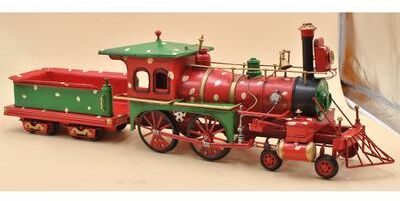
Bronzhaus Handmade Antique Reproduction Tin Model Train-1906 Steam Trains Figurine ArtworkDecorate for any table, desk, or shelf in sporty fashion with Our Rustic 1906 Steam Trains. Featuring a rustic iron frame, this charming vintage Classic Tin Model Train-1906 Steam Trains includes a fine details.109,99 $*Shipping: 0,00 $Secure redirect to the provider
-
Bronzhaus Hot Cast Botero Reproduction Roman Soldier Bronze Sculpture Marble Base FigurineCondition: This sculpture is in a perfect condition Bronze Dimensions with Marble Base: Height 14 inches X Width 6 inches Marble Dimensions:4 inches X 4 inches Height without base:12 inches Weight:10 LBS Inventory:43EPA0026334 Original or...381,99 $*Shipping: 0,00 $Secure redirect to the provider
-
Storied Home "Magnesia Vintage Reproduction Giraffe Calf Figurine - 13.75""L x 5.88""W x 18.13""H"Add the Magnesia Vintage Reproduction Giraffe Calf Figurine with Antique Grey Finish to any space for a captivating blend of artistry and nostalgia.71,49 $*Shipping: 0,00 $Secure redirect to the provider



-
What characterizes sexual reproduction?
Sexual reproduction is characterized by the fusion of two specialized sex cells, typically a sperm and an egg, to create a new organism. This process introduces genetic variation into the offspring, as each parent contributes a unique set of genes. Sexual reproduction also requires the involvement of two individuals, leading to a greater diversity of traits within a population. Additionally, sexual reproduction often involves the development of specialized reproductive organs and behaviors to facilitate the union of the sex cells. **
-
What is cell reproduction?
Cell reproduction is the process by which cells divide and create new cells. This is essential for growth, repair, and maintenance of the body. There are two main types of cell reproduction: mitosis, which produces two identical daughter cells, and meiosis, which produces four genetically unique daughter cells. Cell reproduction is tightly regulated to ensure proper functioning of the body and to prevent diseases like cancer. **
-
How did humans discover reproduction?
Humans likely discovered reproduction through observation of the natural world around them. They would have noticed that animals and plants were able to produce offspring, and through trial and error, they would have learned about the connection between sexual activity and the birth of new life. Over time, humans would have developed a deeper understanding of the reproductive process through scientific inquiry and experimentation. This knowledge would have been passed down through generations, leading to the development of more advanced reproductive technologies and understanding of human reproduction. **
-
Should human reproduction be controlled?
The question of whether human reproduction should be controlled is a complex and controversial issue. On one hand, some argue that controlling human reproduction is necessary to address overpopulation, reduce strain on resources, and prevent environmental degradation. On the other hand, others believe that reproductive rights are fundamental human rights and that individuals should have the freedom to make their own reproductive choices. Ultimately, the answer to this question depends on one's values, beliefs, and perspectives on individual rights versus societal needs. It is important to approach this issue with sensitivity and consideration for the diverse perspectives and implications involved. **


What is the reproduction factor 3?
The reproduction factor 3, also known as the basic reproduction number (R0), is a measure of how contagious an infectious disease is. It represents the average number of secondary infections produced by a single infected individual in a population where everyone is susceptible to the disease. A reproduction factor of 3 means that, on average, each infected person will transmit the disease to 3 other people. This value is used by epidemiologists to assess the potential for an outbreak to become an epidemic. **
Are men equally important for reproduction?
Yes, men are equally important for reproduction as women. Both men and women contribute genetic material to create a new life. Sperm from men fertilizes the egg from women, resulting in the formation of a zygote. Therefore, both sexes play a crucial role in the process of reproduction. **
Top-Angebote
Products related to Reproduction:
-
Bronzhaus Paul Philippe Russian Dancer Vintage Reproduction Bronze Sculpture Statue FigureCondition: This sculpture is in perfect condition Bronze Dimensions with Marble Base: Height 18 inches X Width 10 inches Marble Dimensions: Diameter 5 inches Height without base:15 inches Weight:12 LBS Inventory:18X2145BG8281 Original or Reproduction:…332,99 $*Shipping: 0,00 $Secure redirect to the provider
-
Bronzhaus Antique Reproduction Red German Rotary Dial Phone Sculpture Figurine Decor DealDecorate for any table, desk, or shelf in sporty fashion with Our Rustic Red German Rotary Dial Phone. Featuring a rustic iron frame, this charming vintage Classic Phone includes a fine details.52,99 $*Shipping: 0,00 $Secure redirect to the provider
-
Bronzhaus Handmade Antique Reproduction Tin Model Train-1906 Steam Trains Figurine ArtworkDecorate for any table, desk, or shelf in sporty fashion with Our Rustic 1906 Steam Trains. Featuring a rustic iron frame, this charming vintage Classic Tin Model Train-1906 Steam Trains includes a fine details.109,99 $*Shipping: 0,00 $Secure redirect to the provider
-
Bronzhaus Hot Cast Botero Reproduction Roman Soldier Bronze Sculpture Marble Base FigurineCondition: This sculpture is in a perfect condition Bronze Dimensions with Marble Base: Height 14 inches X Width 6 inches Marble Dimensions:4 inches X 4 inches Height without base:12 inches Weight:10 LBS Inventory:43EPA0026334 Original or...381,99 $*Shipping: 0,00 $Secure redirect to the provider
-
Why does sexual reproduction have an advantage over asexual reproduction?
Sexual reproduction has an advantage over asexual reproduction because it promotes genetic diversity. Through the process of meiosis and fertilization, offspring inherit a unique combination of genes from both parents, increasing genetic variation within a population. This diversity enhances the ability of a species to adapt to changing environments and reduces the risk of genetic diseases. Additionally, sexual reproduction allows for the elimination of harmful mutations through genetic recombination, leading to healthier and more robust offspring. **
-
What is beech reproduction?
Beech reproduction refers to the process by which beech trees produce offspring. Beech trees reproduce through seeds that are contained within small, prickly husks known as beechnuts. These seeds are dispersed by animals or the wind, and when conditions are favorable, they germinate and grow into new beech trees. Beech trees can also reproduce through root sprouts, where new trees grow from the roots of existing trees. **
-
What characterizes sexual reproduction?
Sexual reproduction is characterized by the fusion of two specialized sex cells, typically a sperm and an egg, to create a new organism. This process introduces genetic variation into the offspring, as each parent contributes a unique set of genes. Sexual reproduction also requires the involvement of two individuals, leading to a greater diversity of traits within a population. Additionally, sexual reproduction often involves the development of specialized reproductive organs and behaviors to facilitate the union of the sex cells. **
-
What is cell reproduction?
Cell reproduction is the process by which cells divide and create new cells. This is essential for growth, repair, and maintenance of the body. There are two main types of cell reproduction: mitosis, which produces two identical daughter cells, and meiosis, which produces four genetically unique daughter cells. Cell reproduction is tightly regulated to ensure proper functioning of the body and to prevent diseases like cancer. **
Similar search terms for Reproduction
-
Storied Home "Magnesia Vintage Reproduction Giraffe Calf Figurine - 13.75""L x 5.88""W x 18.13""H"Add the Magnesia Vintage Reproduction Giraffe Calf Figurine with Antique Grey Finish to any space for a captivating blend of artistry and nostalgia.71,49 $*Shipping: 0,00 $Secure redirect to the provider
-
Canva Pro Education - 1 year SubscriptionWhen you make a purchase, you will receive an email inviting you to sign up for Canva Education , which will give you access to all the professional features of Canva Pro, plus 1,800 neutral Instagram post templates as a free gift Note: Brand Kite is not included How to Copy a Project from Your Personal Canva Account to a Canva Pro Class Account Discover the power of professional design with our annual Canva Pro subscription. With Canva Pro, you’ll have access to a wide range of premium tools and resources that will enable you to create stunning visual content for your business, your personal projects, and much more. Here’s what you can expect with a year’s subscription to Canva Pro: Unlimited access to over 100 million premium resources: Images, videos, audio, graphics and more – all ready to use in your projects. Customisable templates: Thousands of high-quality templates to suit every need, from presentations to social media posts, from leaflets to business cards. Advanced design tools: Features such as one-click background removal, the creation of custom brand kits, and the ability to resize your designs with a single click. Real-time collaboration: Work alongside your team, leaving comments and suggestions directly within projects, for seamless collaboration. Direct posting on social media: Schedule and publish your content directly from Canva across all the major social media platforms. Unlimited cloud storage: Save and organise all your projects in one place, with unlimited storage. Don’t miss the chance to take your design to the next level. With Canva Pro, the possibilities are endless. Subscribe now and start creating like a pro! How come the licence is priced so low? We offer retail licences that are used and discontinued by the previous owner since the EC ruling C-128/2011. That is why you can purchase the official licence on our site at a cheaper price. This is a product in STUDENT Version.7,00 £*Shipping: 0,00 £Secure redirect to the provider
-
Hodder Education Cambridge IGCSE And O Level History 3rd Edition Option B The 20th Century - Education - PaperbackTitle:. Cambridge IGCSE and O Level History 3rd Edition: Option B – The 20th Century. Format: Paperback Overview:. Delve into the transformative decades of modern history with the Cambridge IGCSE and O Level History 3rd Edition: Option B – The 20th Century. This essential student textbook is meticulously aligned with the latest Cambridge International Examinations (CIE) syllabuses 0470 and 2059, providing a comprehensive roadmap through the pivotal era that reshaped geopolitical boundaries, sparked global conflicts, and pioneered worldwide civil rights movements. The text systematically explores mandatory Option B topics, starting with German unification under Bismarck, moving through the complex alliances and trench warfare of World War One, and examining the fragile peace years sandwiched between two devastating global conflicts. Students are guided step-by-step through the rise of totalitarian regimes, the strategic and moral complexities of World War Two, and the prolonged ideological standoff of the Cold War. Packed with primary source analysis, vivid timelines, and contextual explanations, this volume transforms dense historical narratives into accessible learning modules designed specifically for international GCSE standards. The clear layout removes guesswork from syllabus coverage, ensuring every candidate understands the cause-and-effect relationships that define twentieth-century scholarship. What Makes This Book Stand Out:. Third-place textbooks often stumble between mere content dumping and simplified summaries, yet this edition strikes a masterful balance by embedding active examination preparation directly into every chapter. The standout feature is its relentless focus on the specific analytical skills demanded by Cambridge assessors. Each topic break concludes with targeted practice questions modelled exactly on past Paper One and Paper Two formats, allowing students to immediately test their comprehension and document evaluation abilities. Distinctive visual aids, including annotated archival photographs, political cartoons, and comparative tables, provide immediate context that traditional prose struggles to convey. Furthermore, the narrative structure explicitly highlights the historiographical debates surrounding major events, preparing discerning students to construct nuanced arguments rather than simply memorising dates. The consistent pedagogical framework—spanning clear assessment objectives mapping to progressive difficulty levels—means educators and independent learners alike can track progress accurately. By seamlessly weaving together chronological clarity with rigorous skill-building exercises, this resource elevates routine history reading into structured exam readiness. Who This Book Is Perfect For:. Designed primarily for sixteen-to-eighteen-year-old students pursuing Cambridge International General Certificate of Secondary Education qualifications, this textbook perfectly matches upper-secondary academic...34,00 £*Shipping: 2,99 £Secure redirect to the provider
-
How did humans discover reproduction?
Humans likely discovered reproduction through observation of the natural world around them. They would have noticed that animals and plants were able to produce offspring, and through trial and error, they would have learned about the connection between sexual activity and the birth of new life. Over time, humans would have developed a deeper understanding of the reproductive process through scientific inquiry and experimentation. This knowledge would have been passed down through generations, leading to the development of more advanced reproductive technologies and understanding of human reproduction. **
-
Should human reproduction be controlled?
The question of whether human reproduction should be controlled is a complex and controversial issue. On one hand, some argue that controlling human reproduction is necessary to address overpopulation, reduce strain on resources, and prevent environmental degradation. On the other hand, others believe that reproductive rights are fundamental human rights and that individuals should have the freedom to make their own reproductive choices. Ultimately, the answer to this question depends on one's values, beliefs, and perspectives on individual rights versus societal needs. It is important to approach this issue with sensitivity and consideration for the diverse perspectives and implications involved. **
-
What is the reproduction factor 3?
The reproduction factor 3, also known as the basic reproduction number (R0), is a measure of how contagious an infectious disease is. It represents the average number of secondary infections produced by a single infected individual in a population where everyone is susceptible to the disease. A reproduction factor of 3 means that, on average, each infected person will transmit the disease to 3 other people. This value is used by epidemiologists to assess the potential for an outbreak to become an epidemic. **
-
Are men equally important for reproduction?
Yes, men are equally important for reproduction as women. Both men and women contribute genetic material to create a new life. Sperm from men fertilizes the egg from women, resulting in the formation of a zygote. Therefore, both sexes play a crucial role in the process of reproduction. **
* All prices are inclusive of VAT and, if applicable, plus shipping costs. The offer information is based on the details provided by the respective shop and is updated through automated processes. Real-time updates do not occur, so deviations can occur in individual cases. ** Note: Parts of this content were created by AI.